| WBS Series Cellular Wireless Access Base Station |
|
|
|
|
|
|
|
|
|
|
|
|
|
|
|
|
|
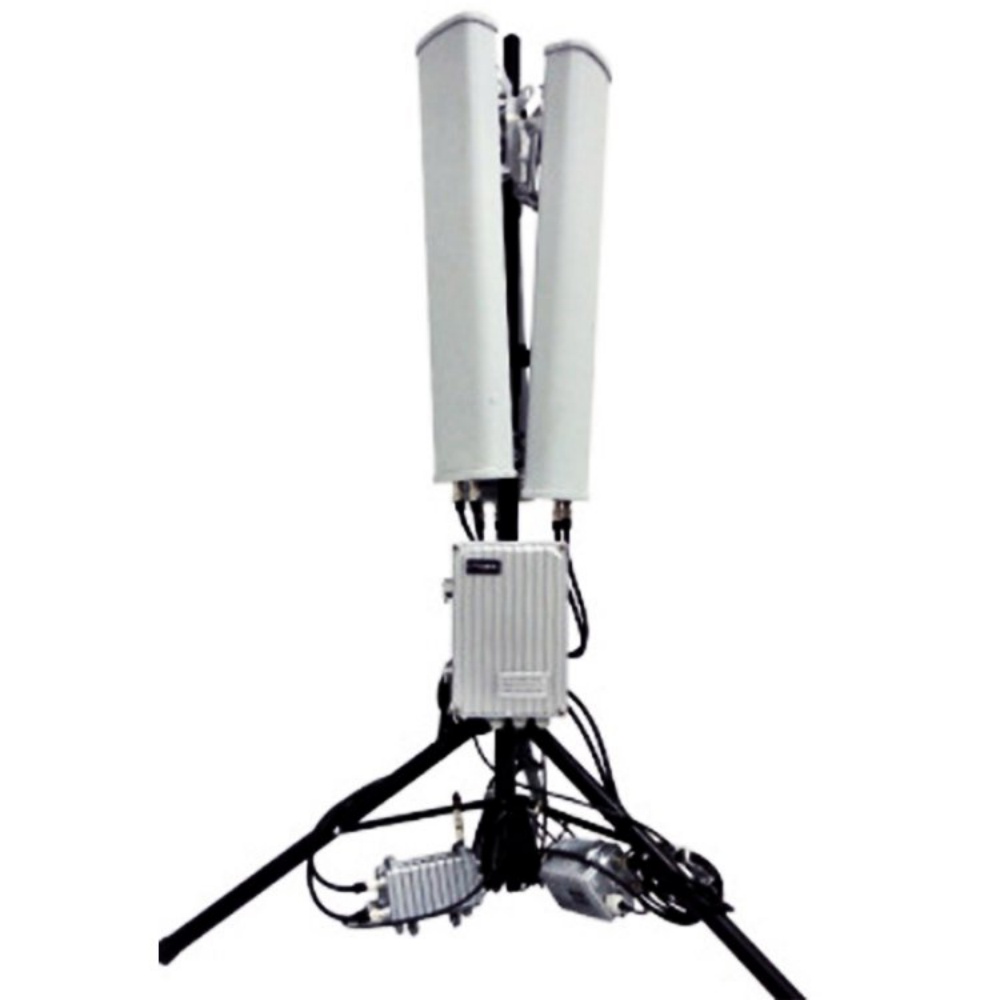
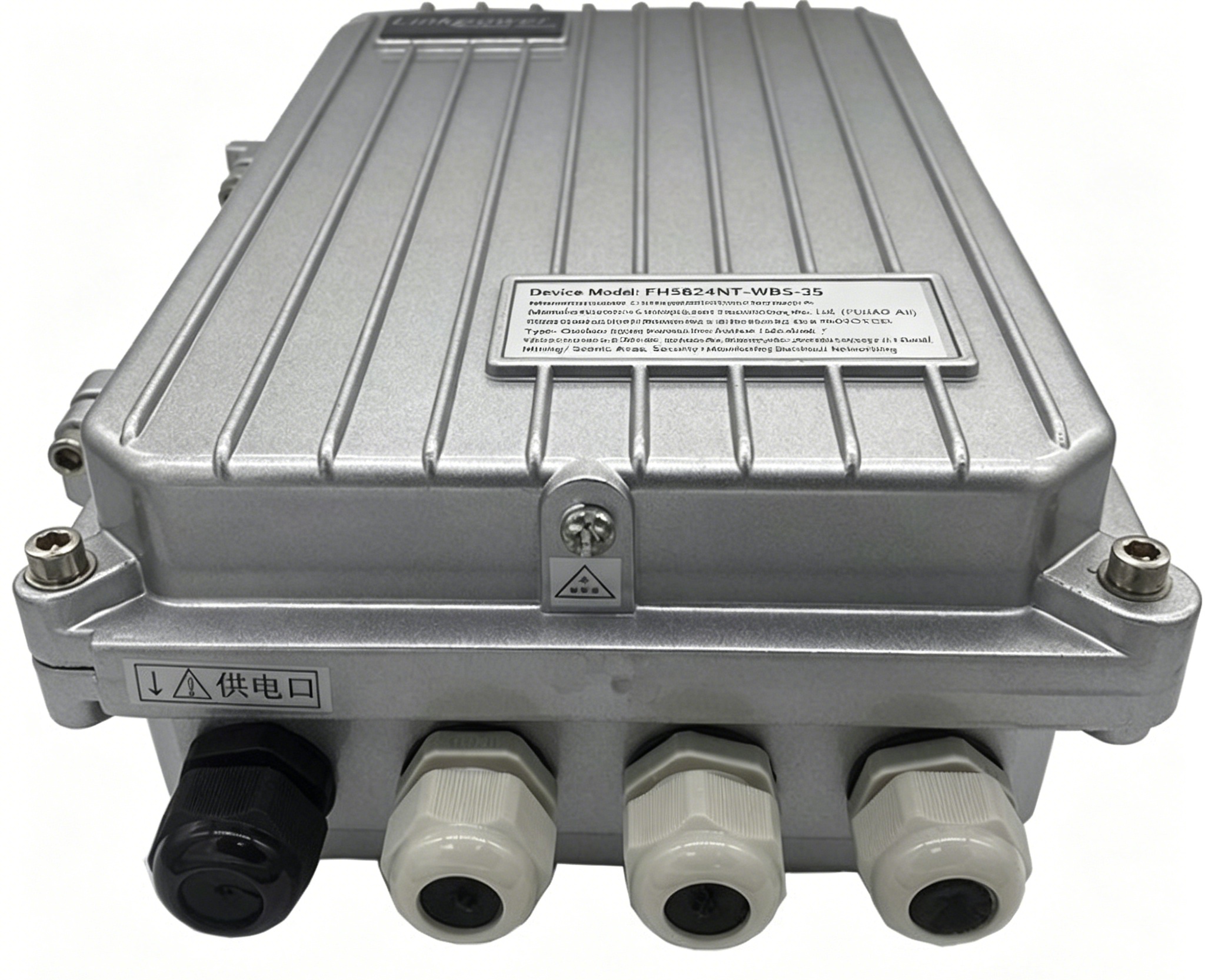
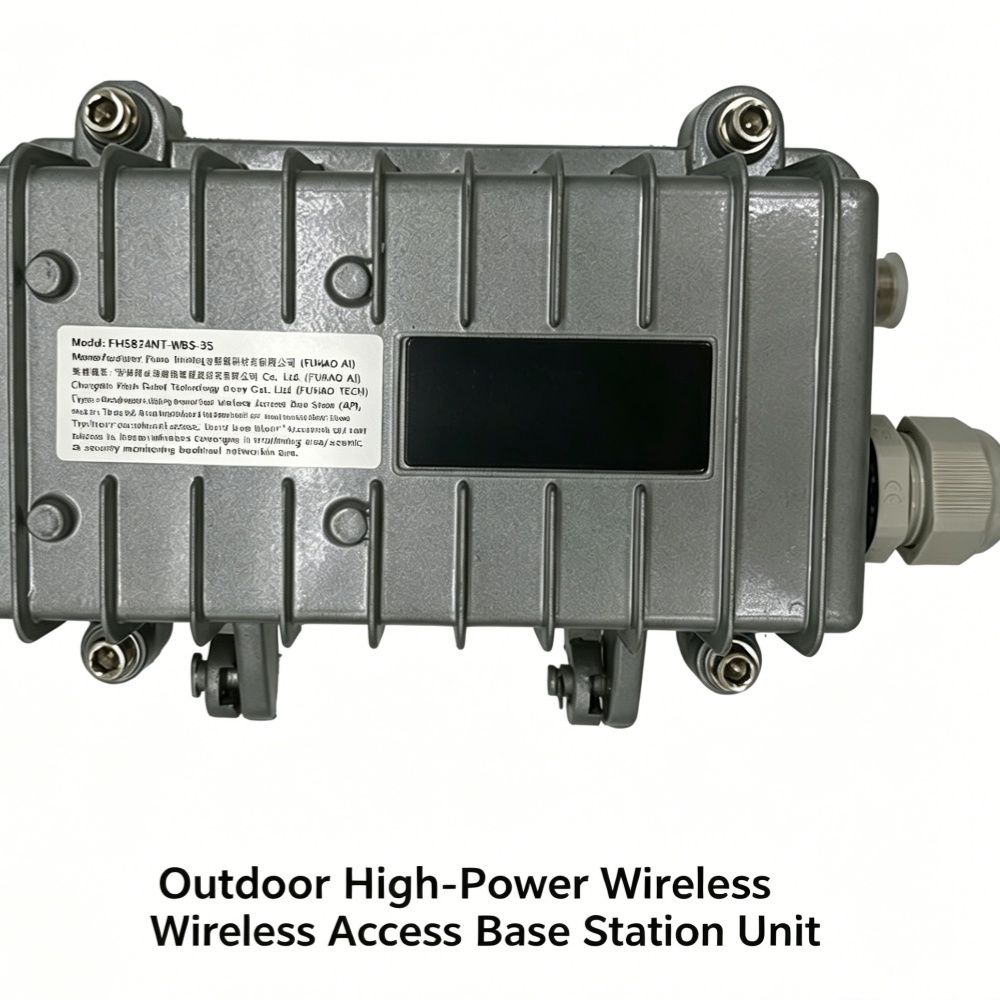
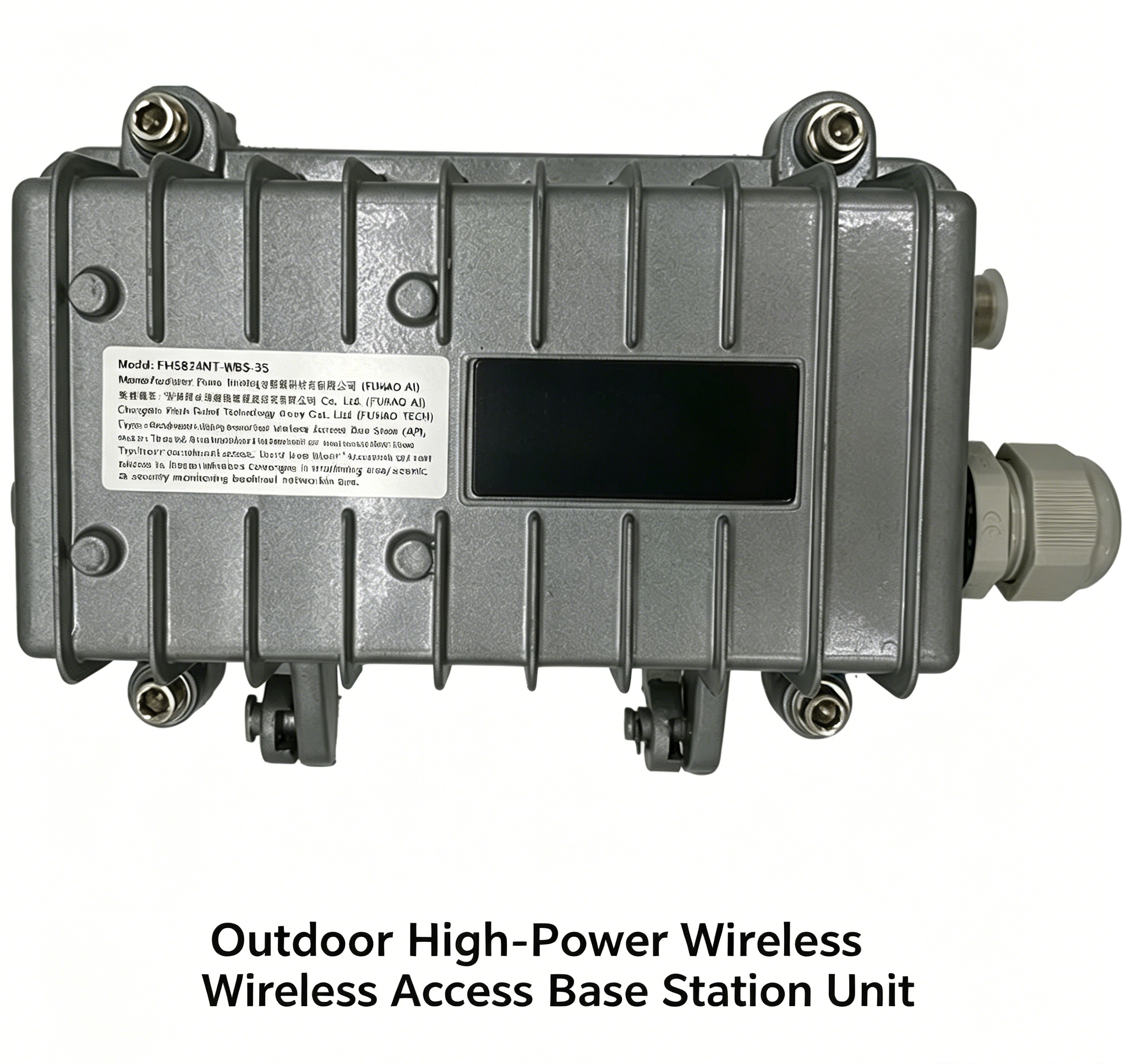
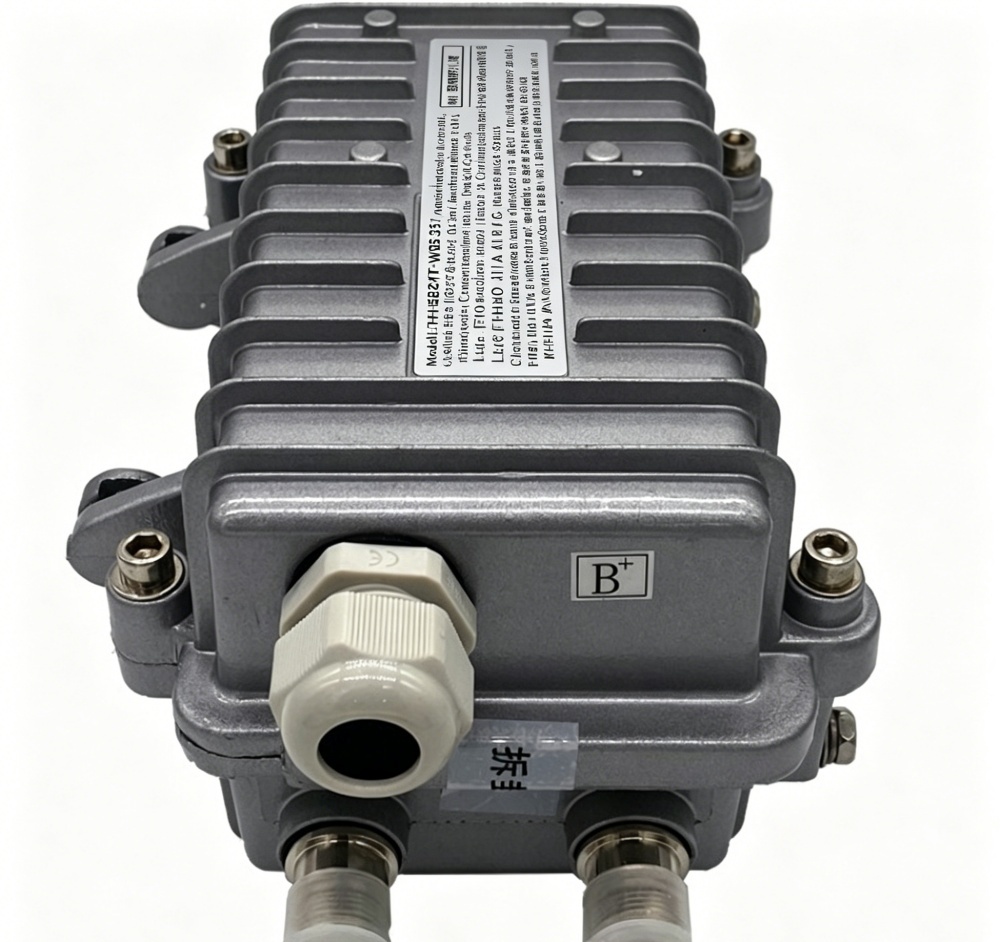
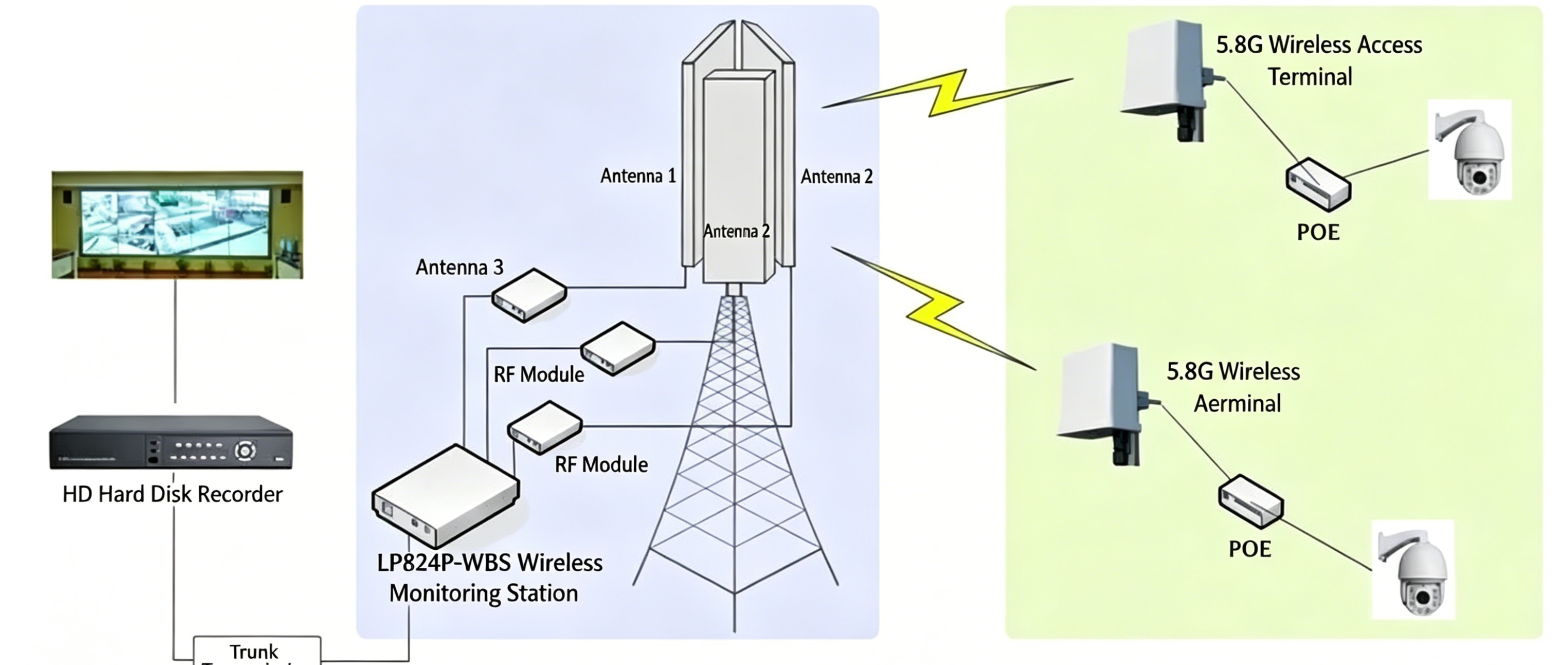
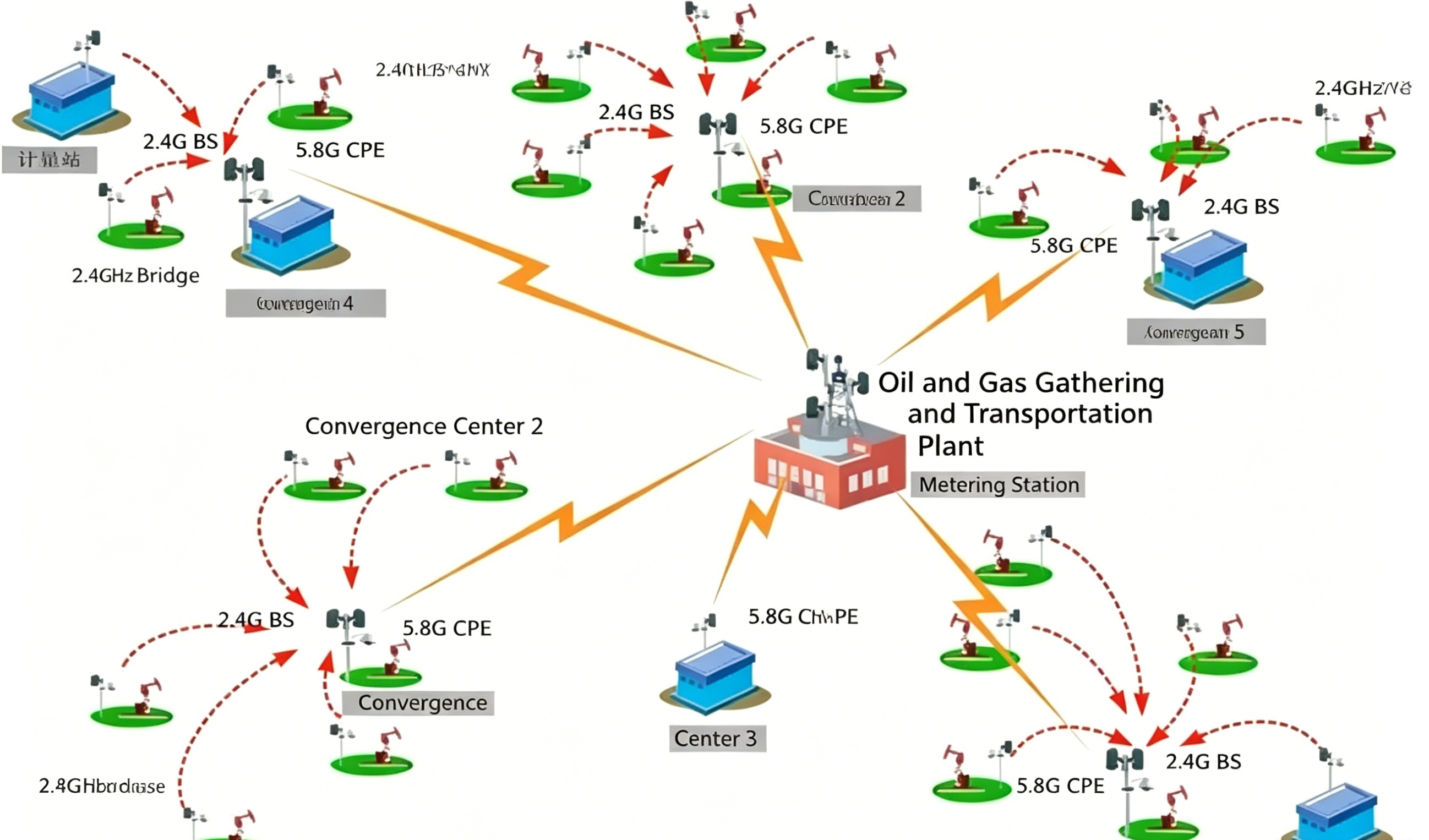
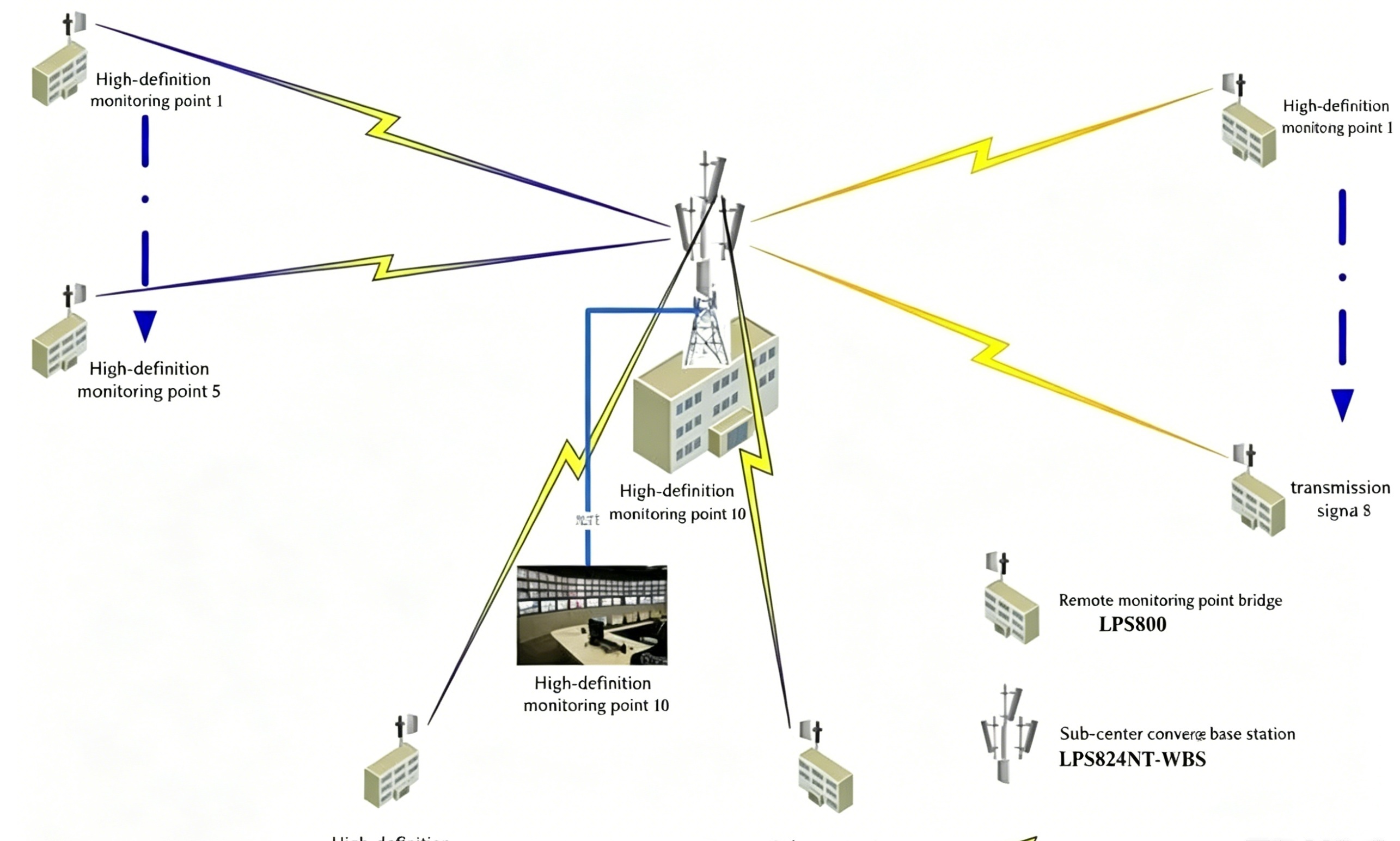
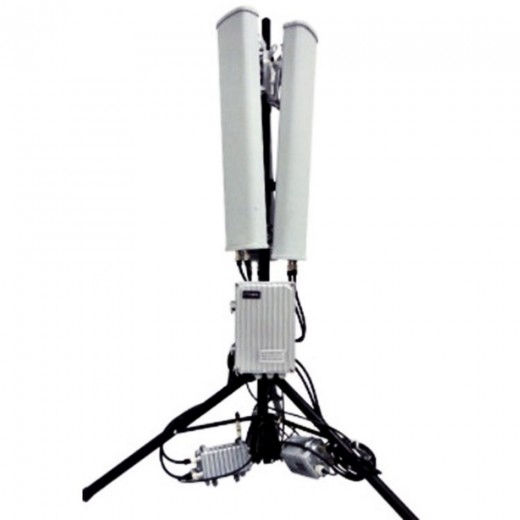
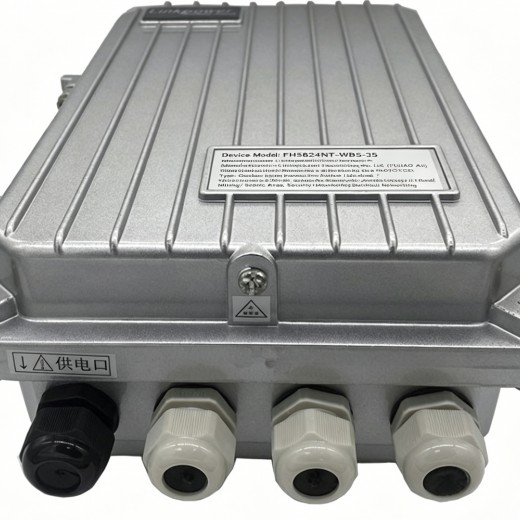
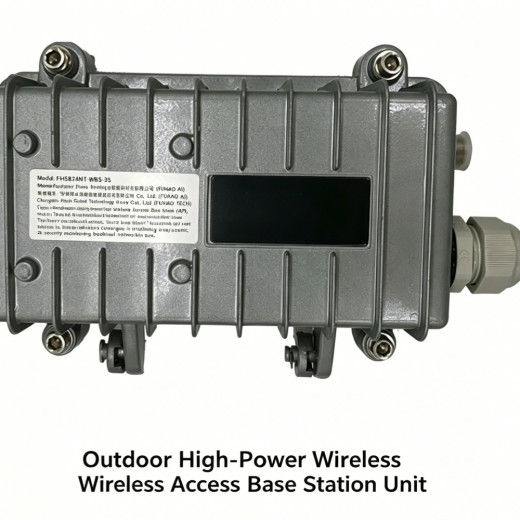
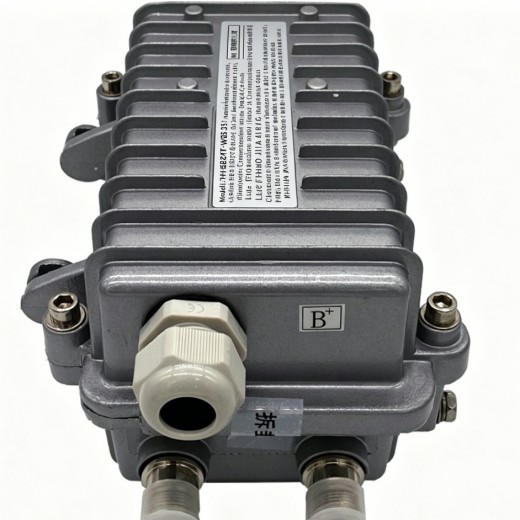
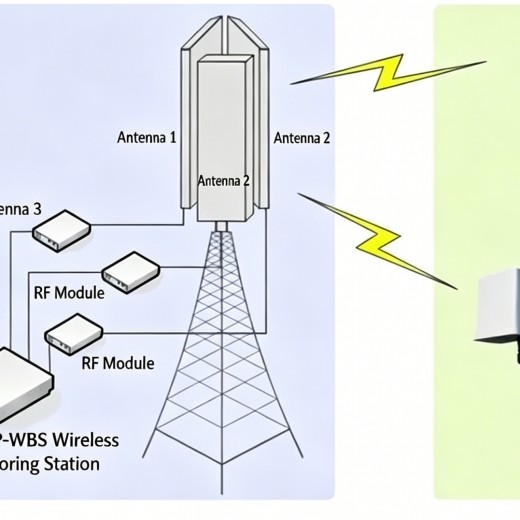
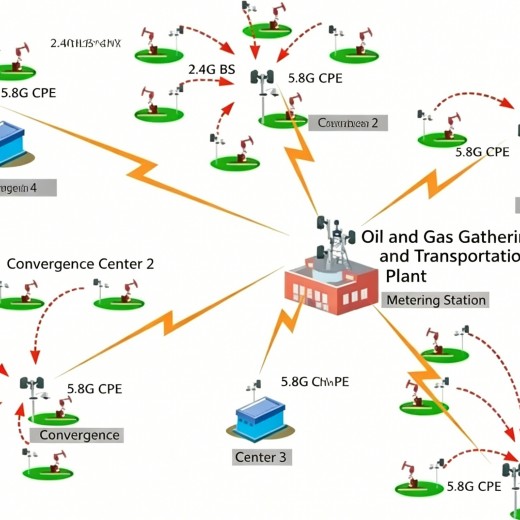
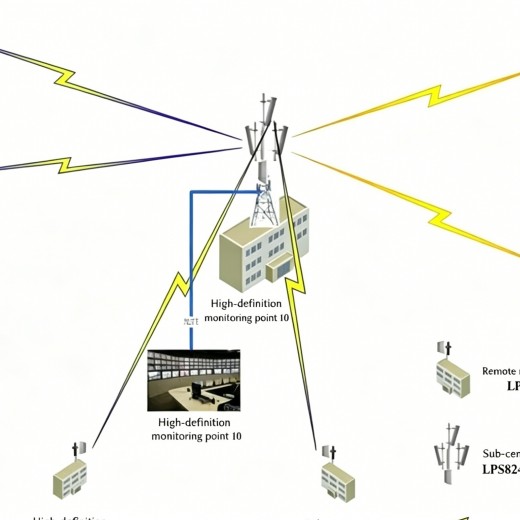
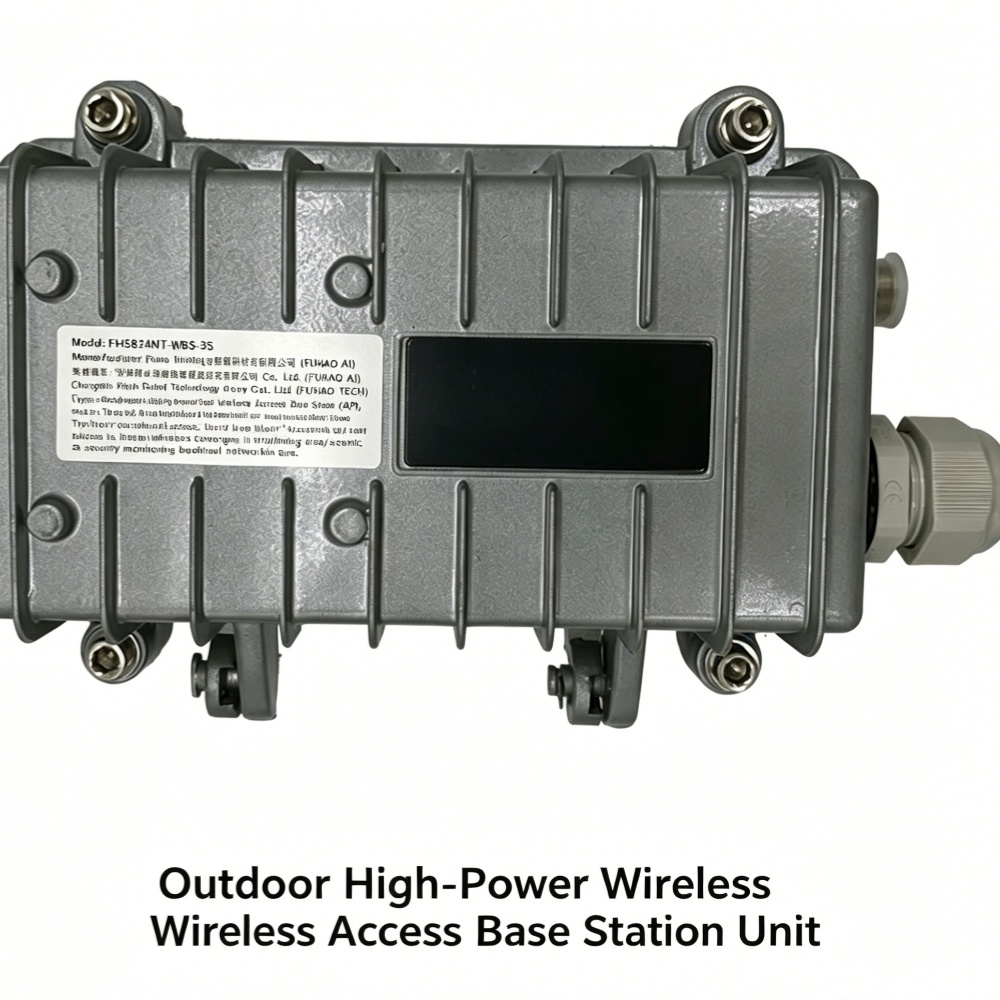
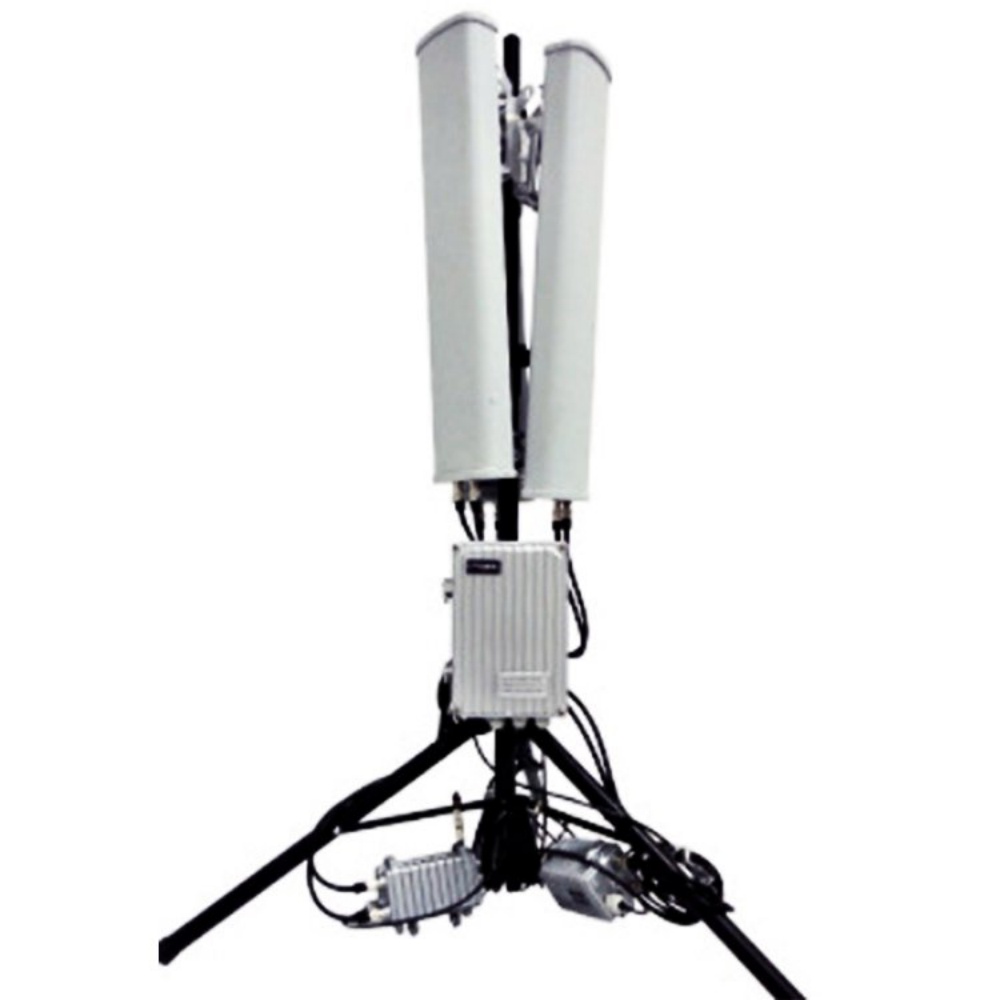
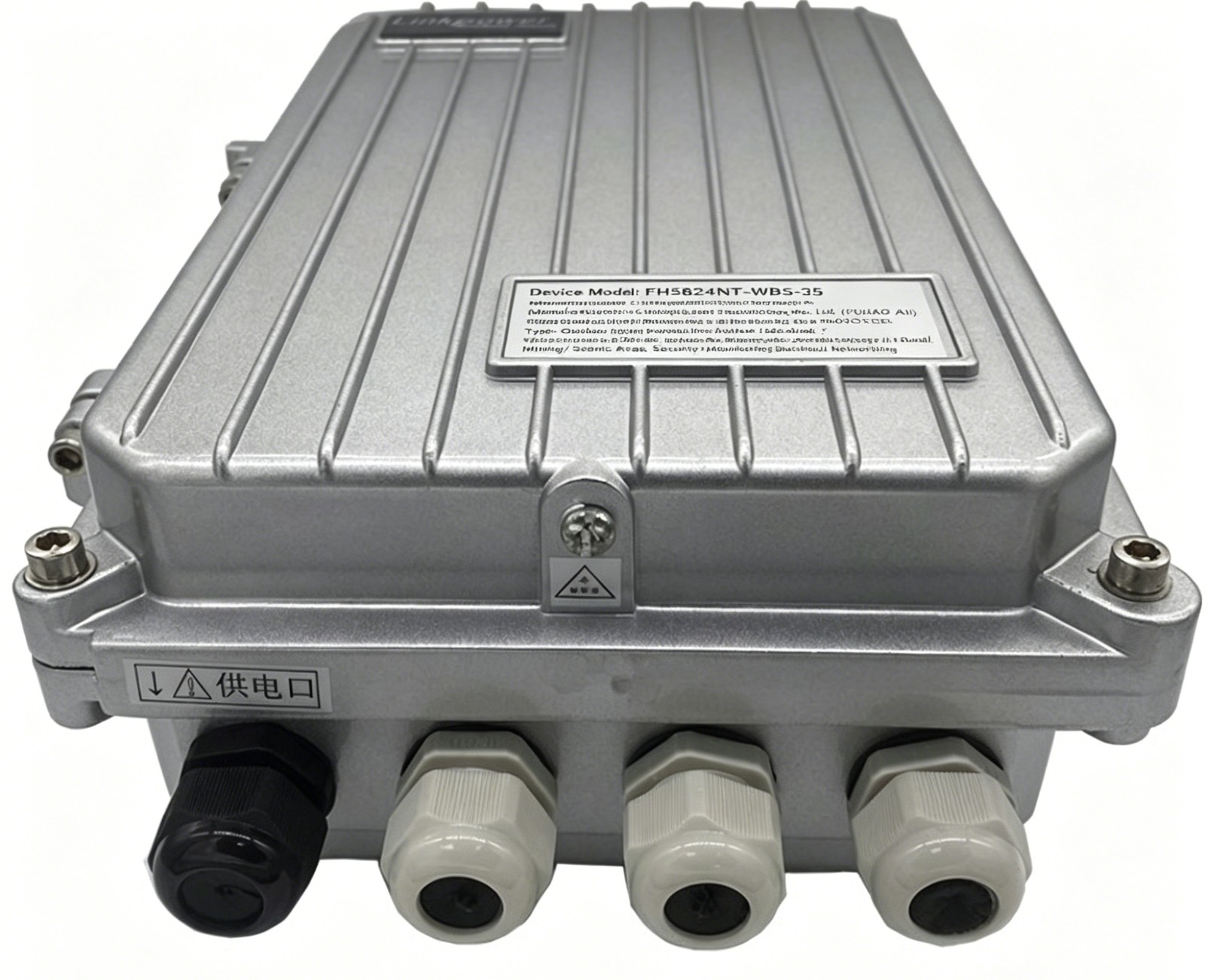
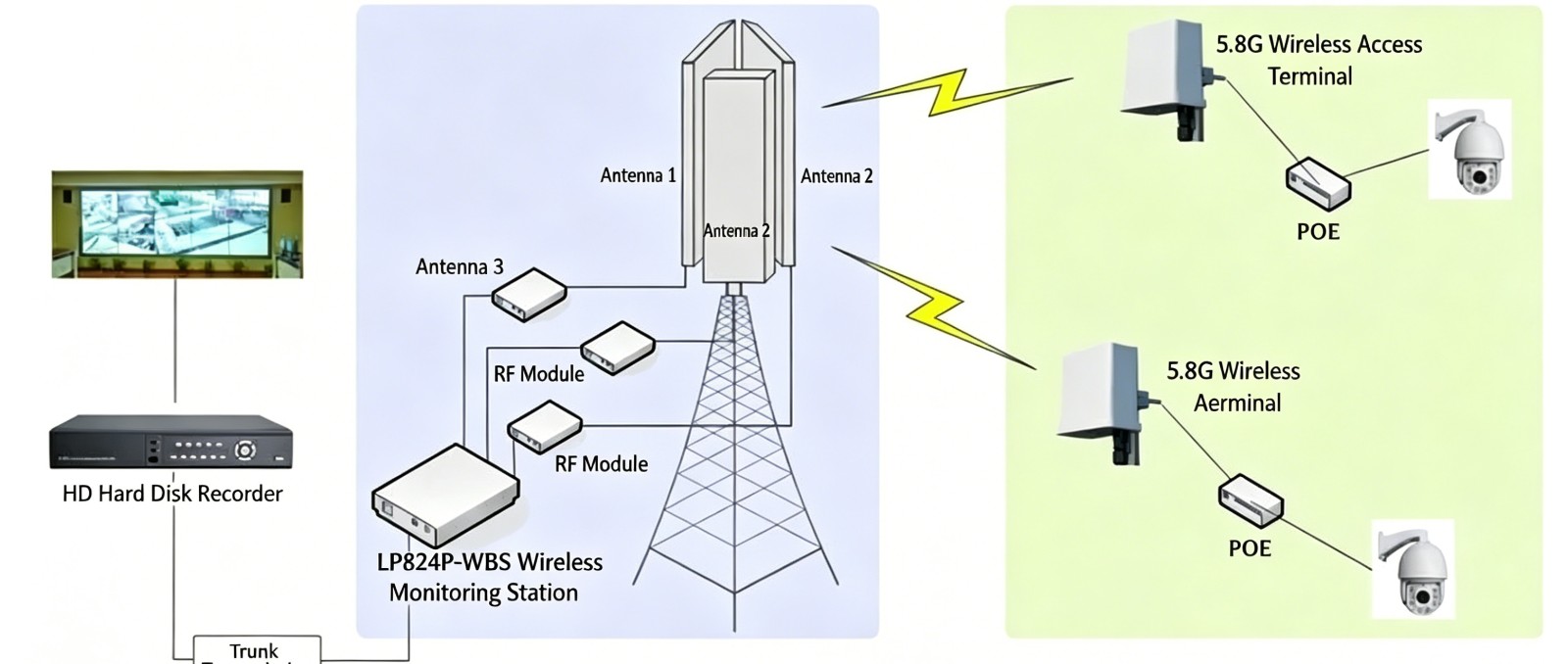
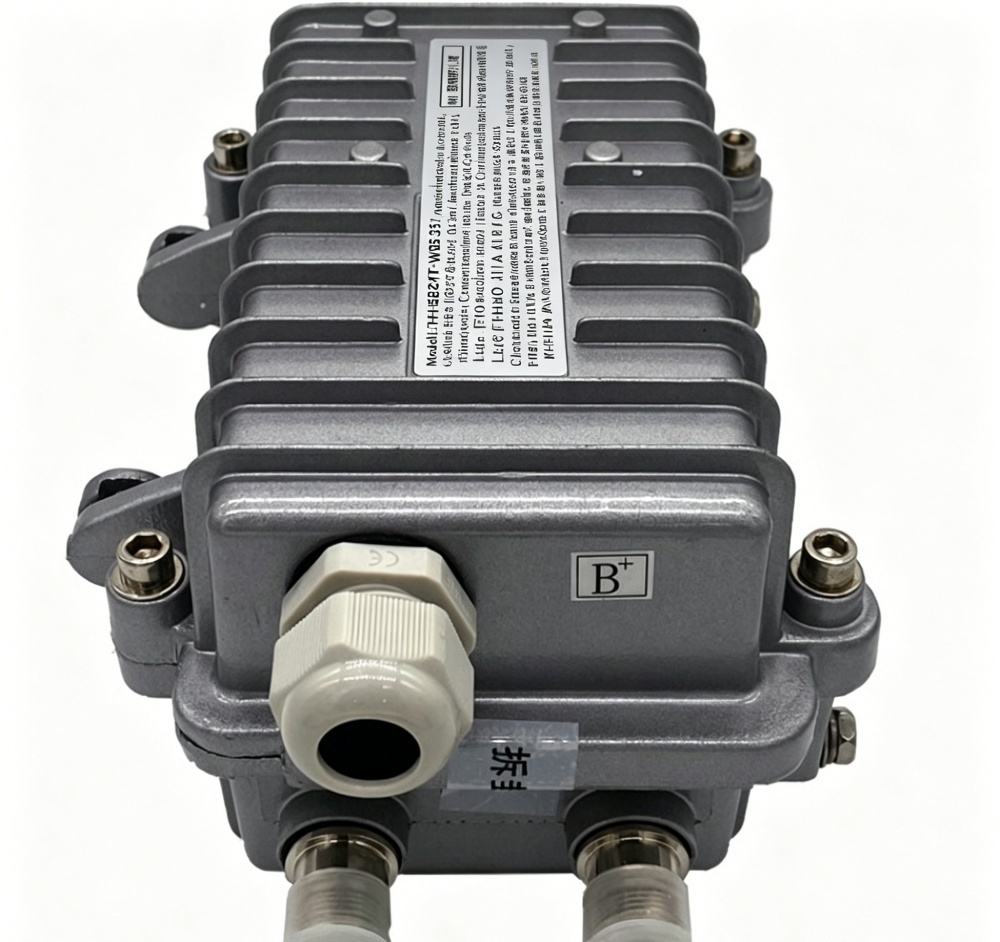
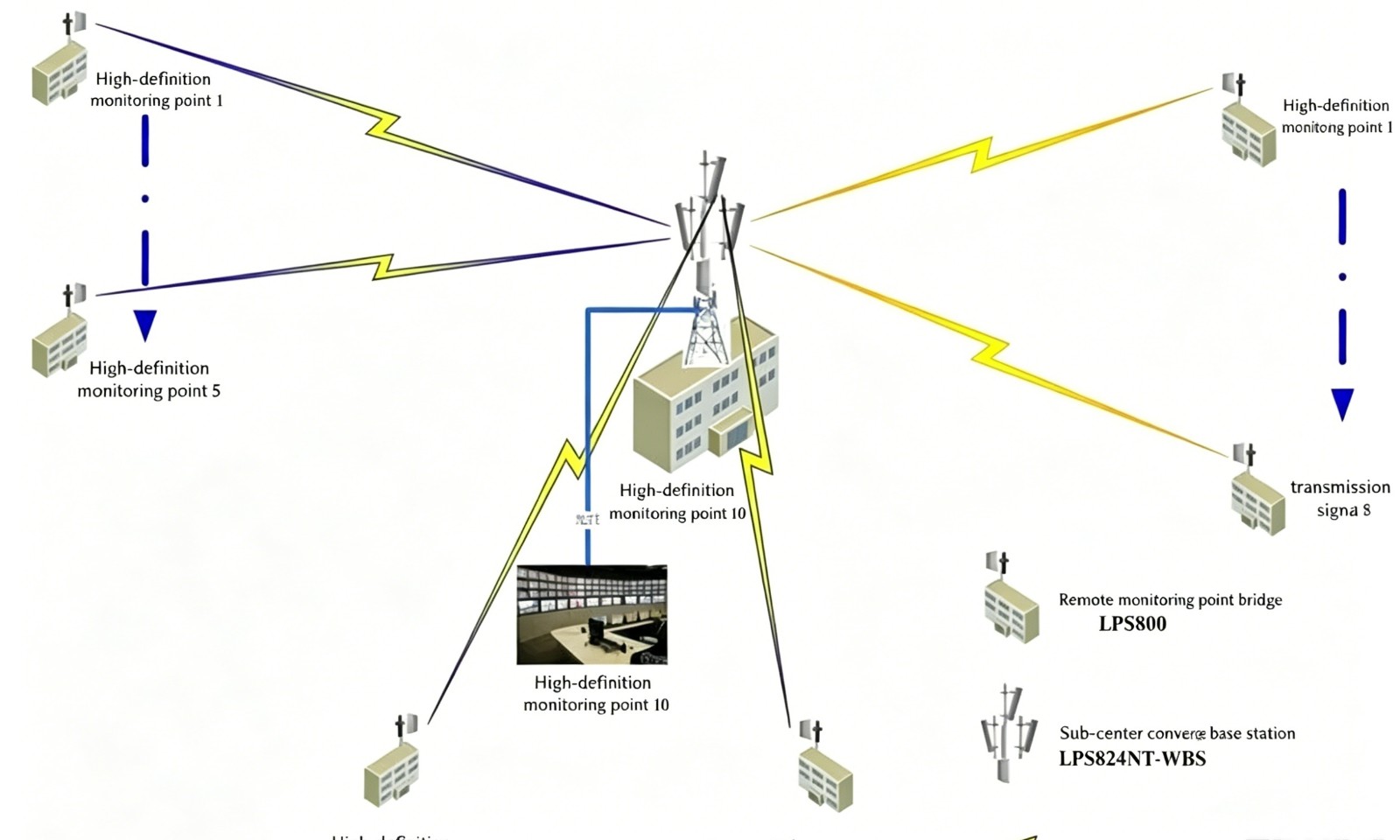
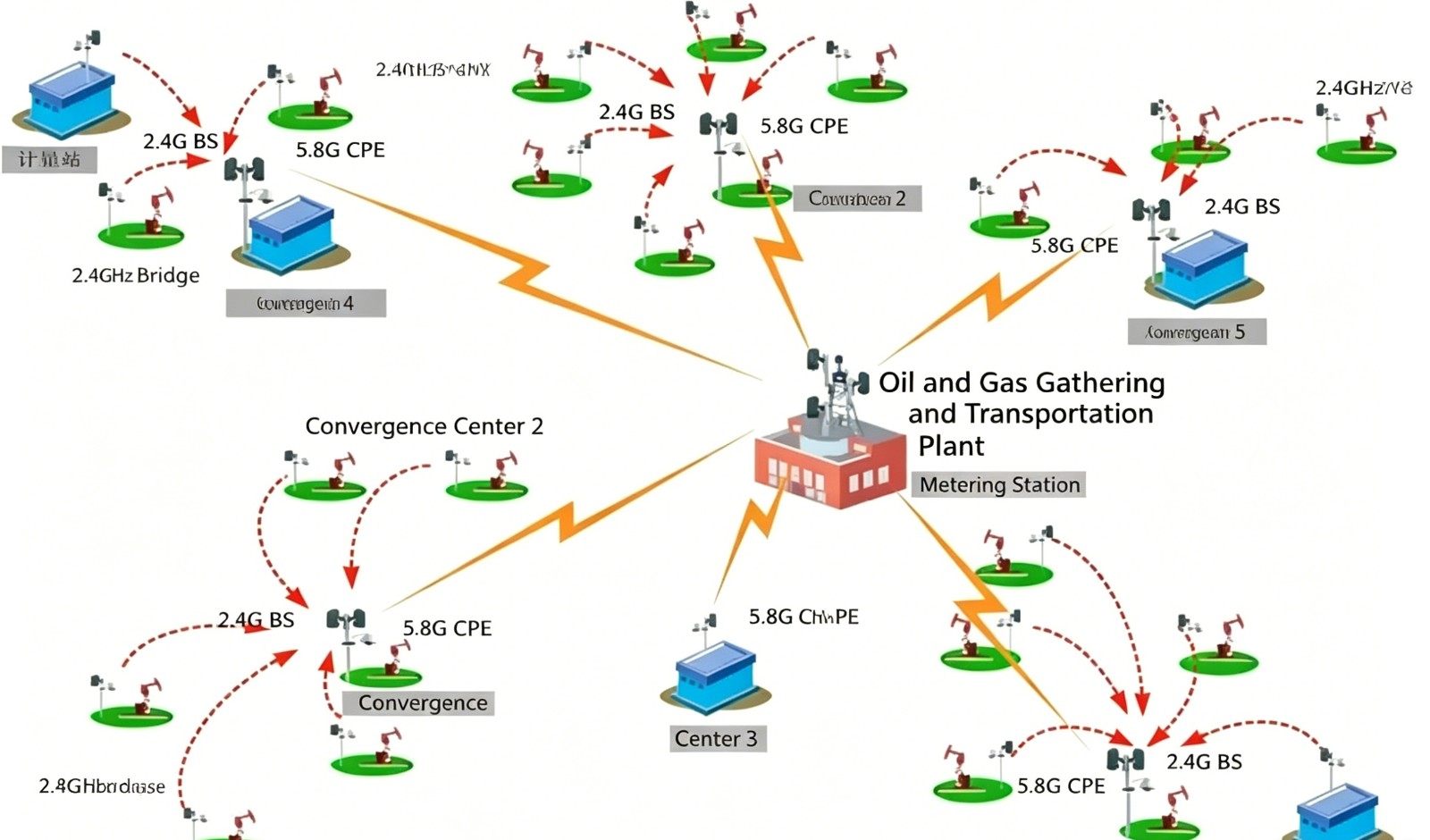
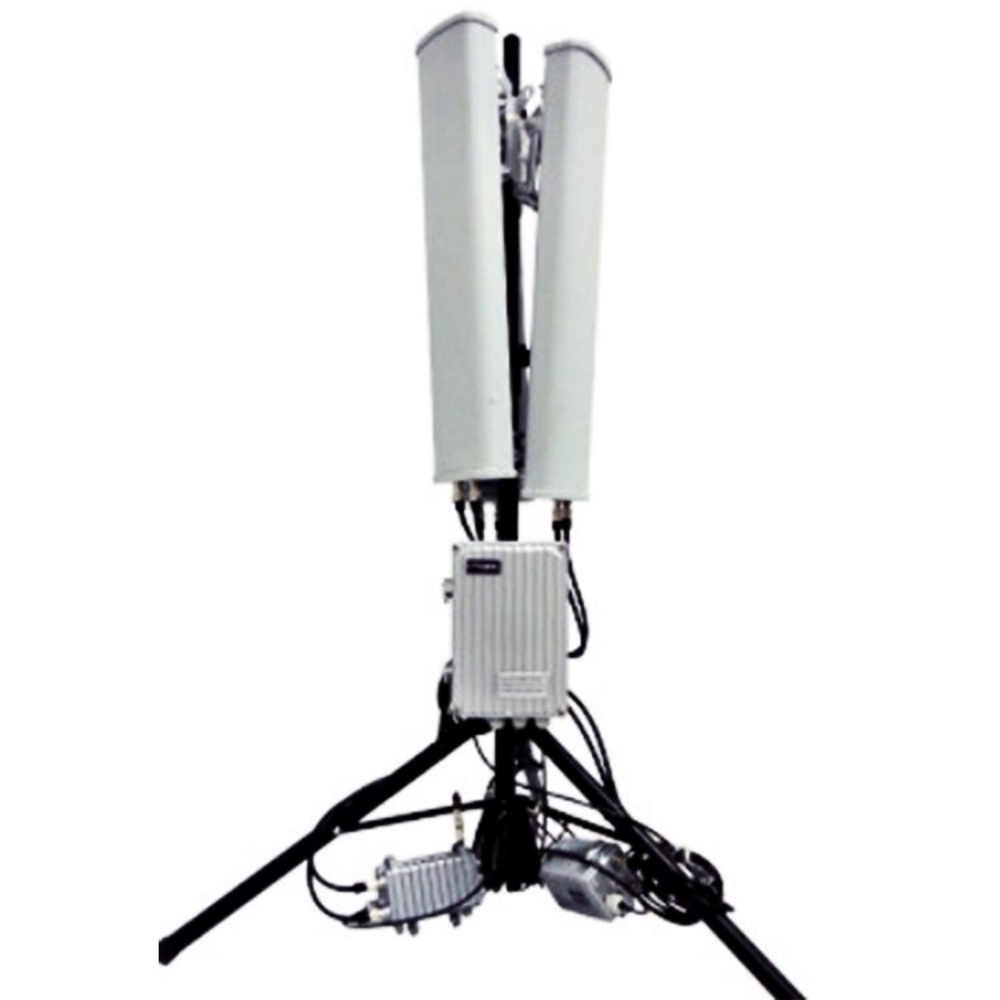
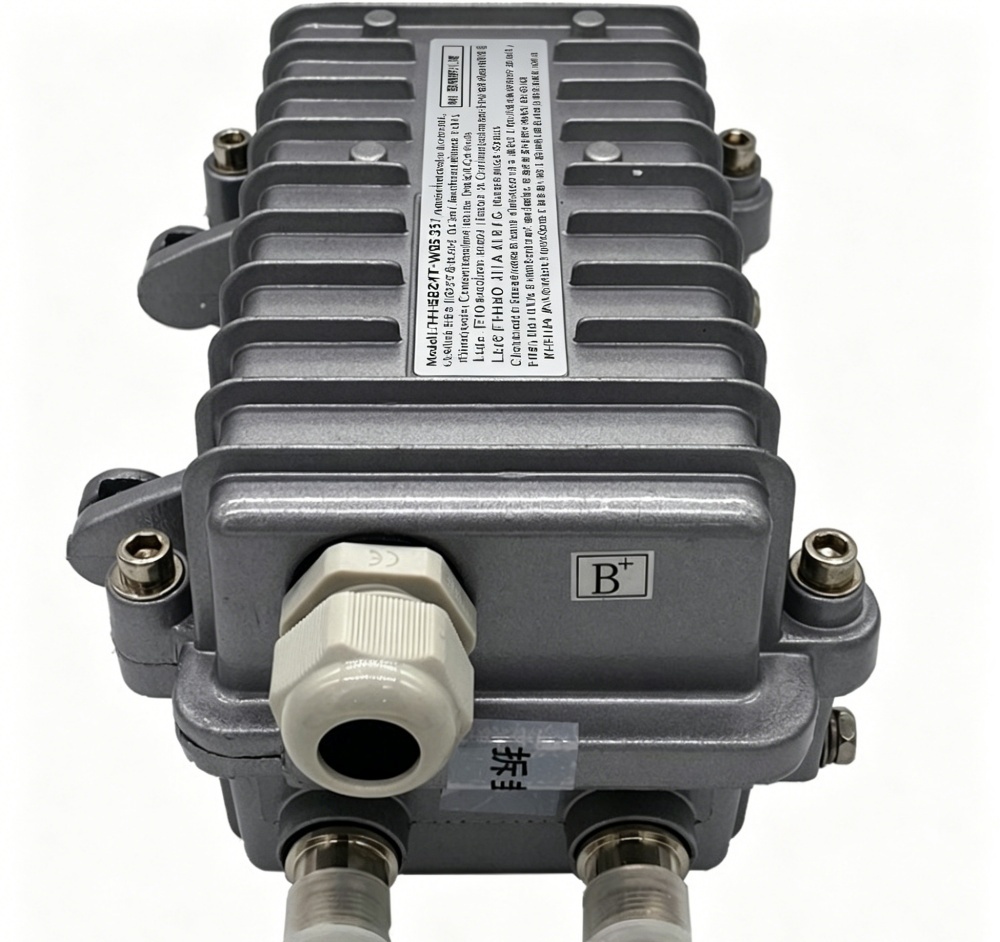
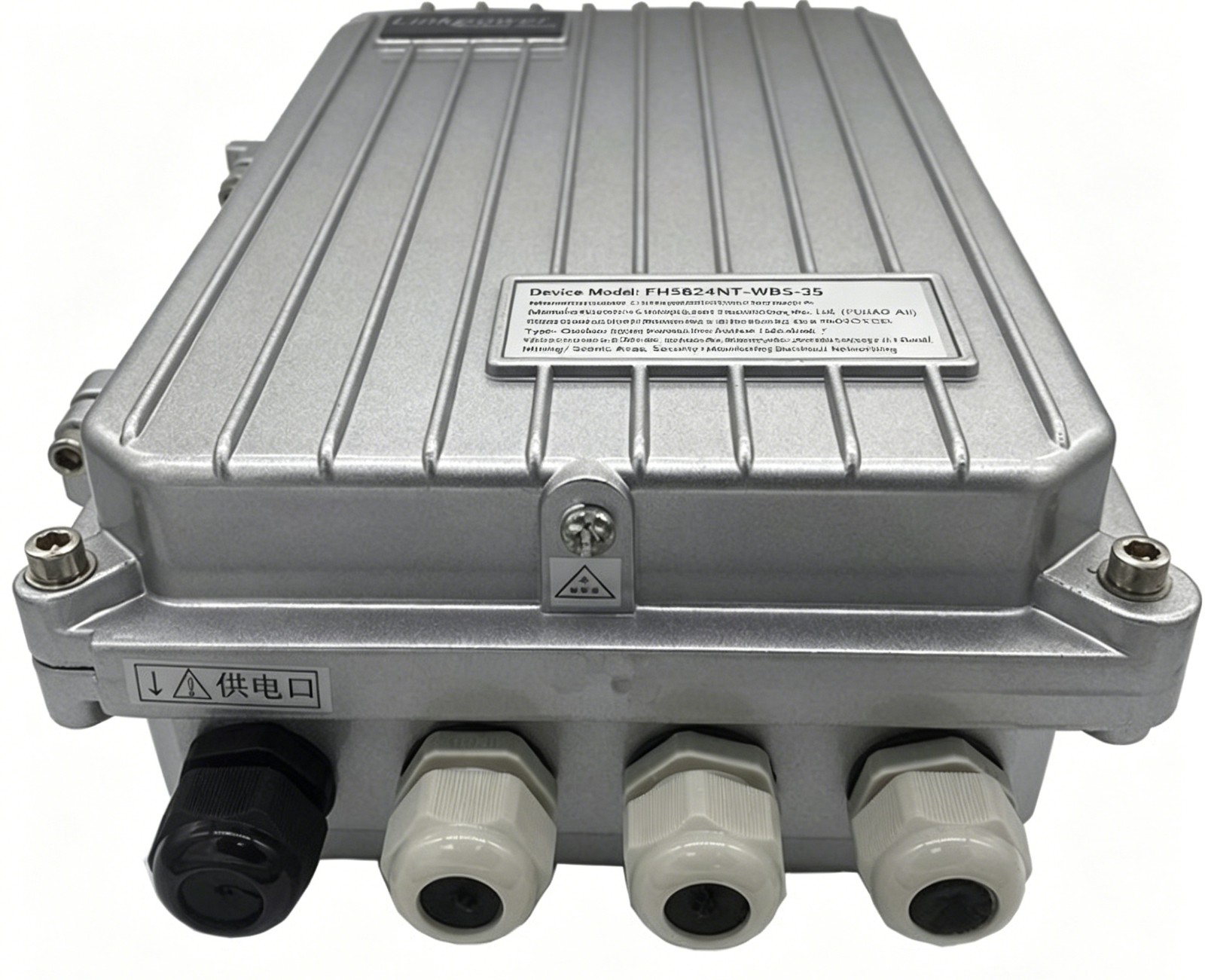
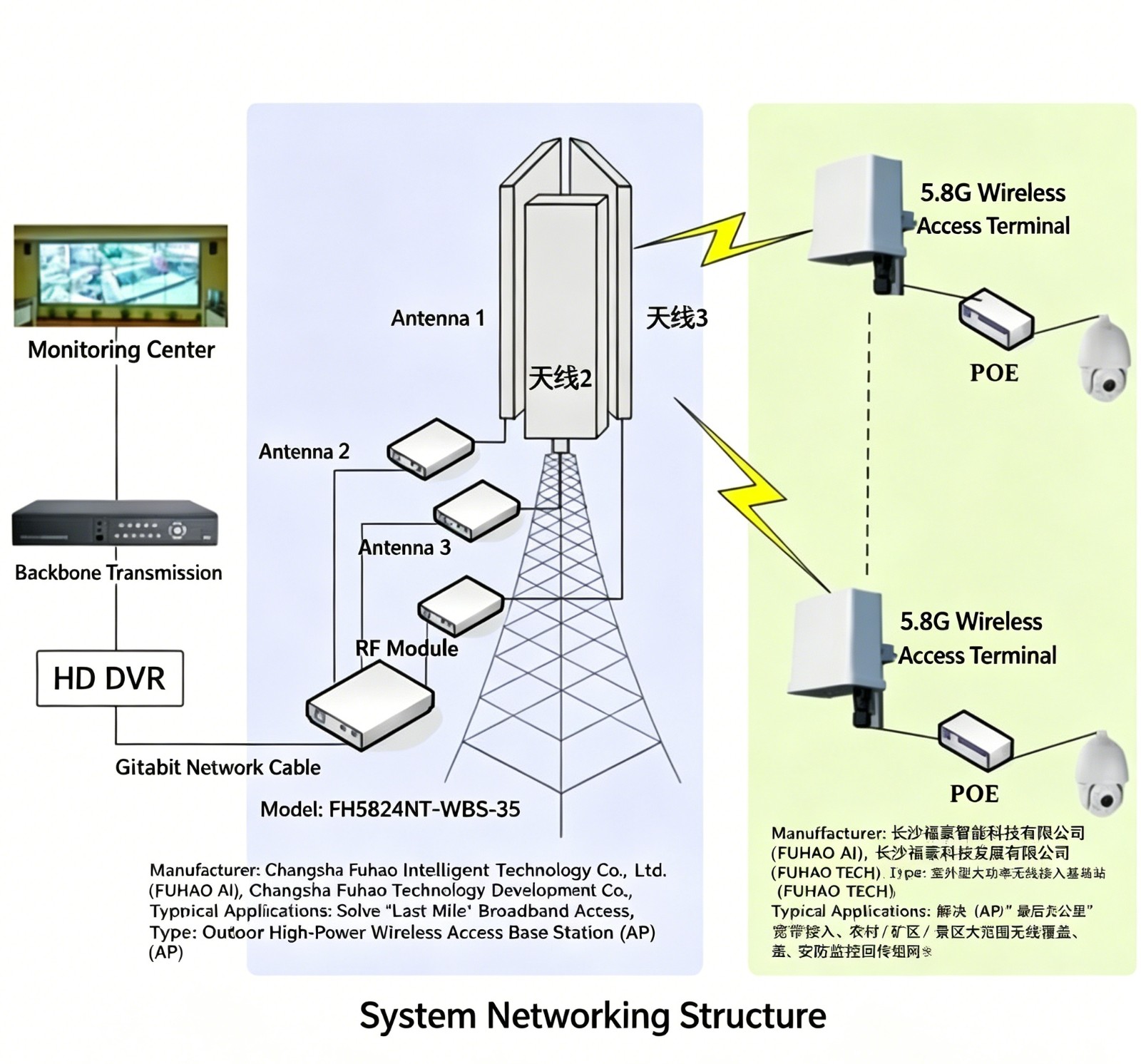
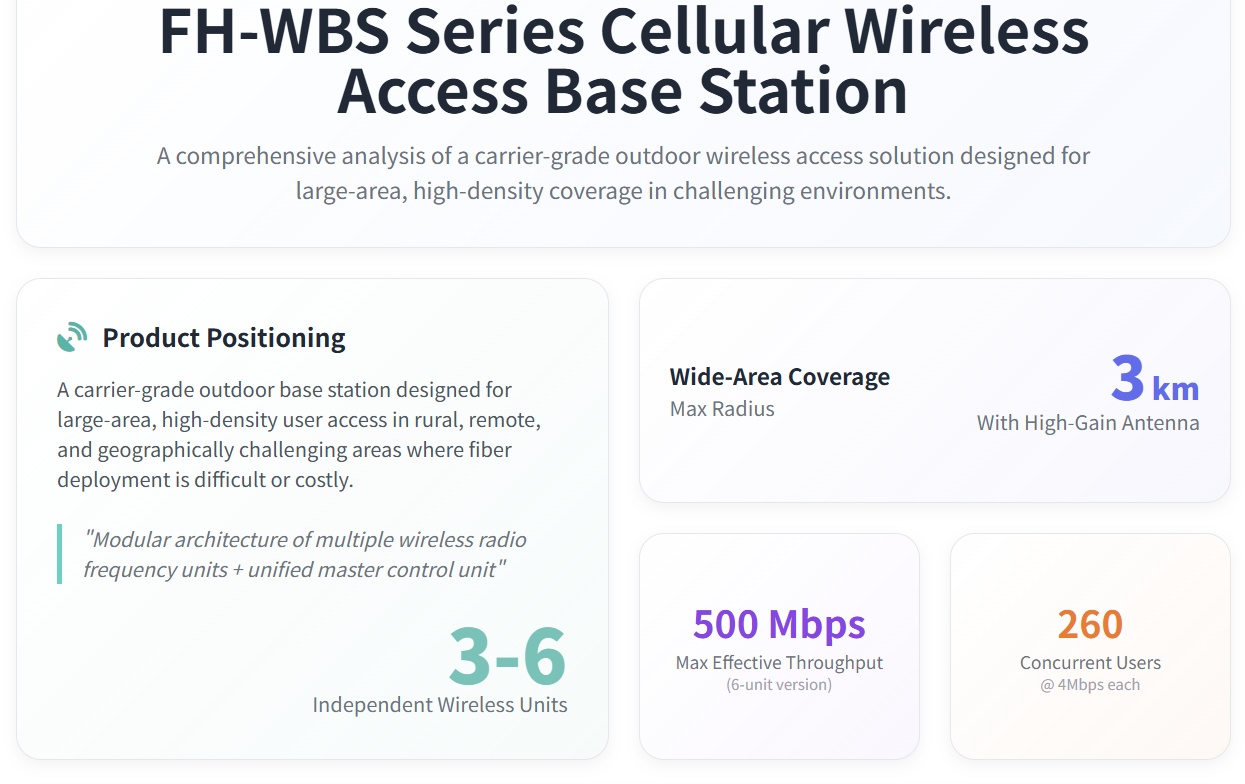
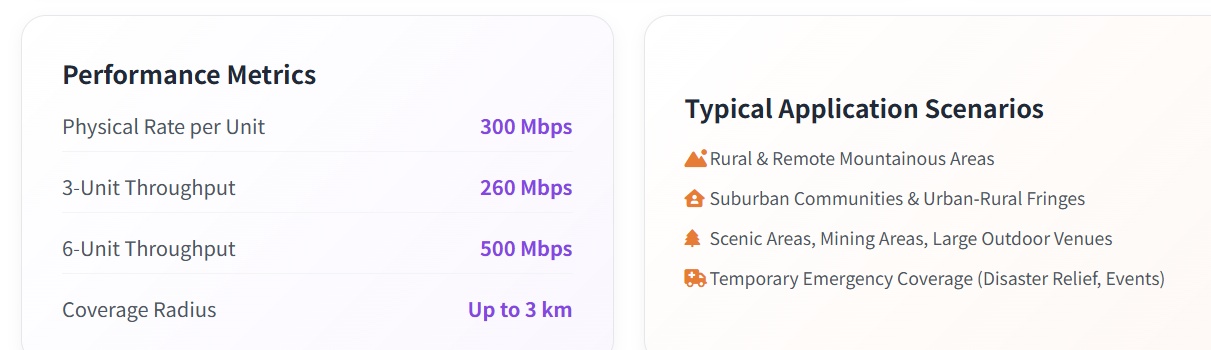
FH-WBS Series Base Station Product Document (English) I. Product Overview The FH-WBS Series Cellular Wireless Access Base Station (hereinafter referred to as WBS) integrates a self-developed TDDNB/TDMA time-division multiple access link layer protocol and multiple cutting-edge technologies. It adopts an innovative multi-radio unit + main control host modular architecture, relying on a Linux embedded high-speed computing platform. A single unit can integrate 3 to 6 high-power BS radio units, which are uniformly scheduled and coordinated by the main controller. One single WBS device can implement bundled cellular coverage of up to 6 independent 2.4G/5.8G channels, with a physical bandwidth of 300Mbps per channel, delivering a total physical bandwidth of up to 6×300Mbps for the entire device. It is suitable for large-scale urban and rural broadband wireless access networking, targeting commercial operator deployment. With excellent cellular coverage capability and full-scenario operation and management functions, it shortens the project payback period and protects operators' construction investment.
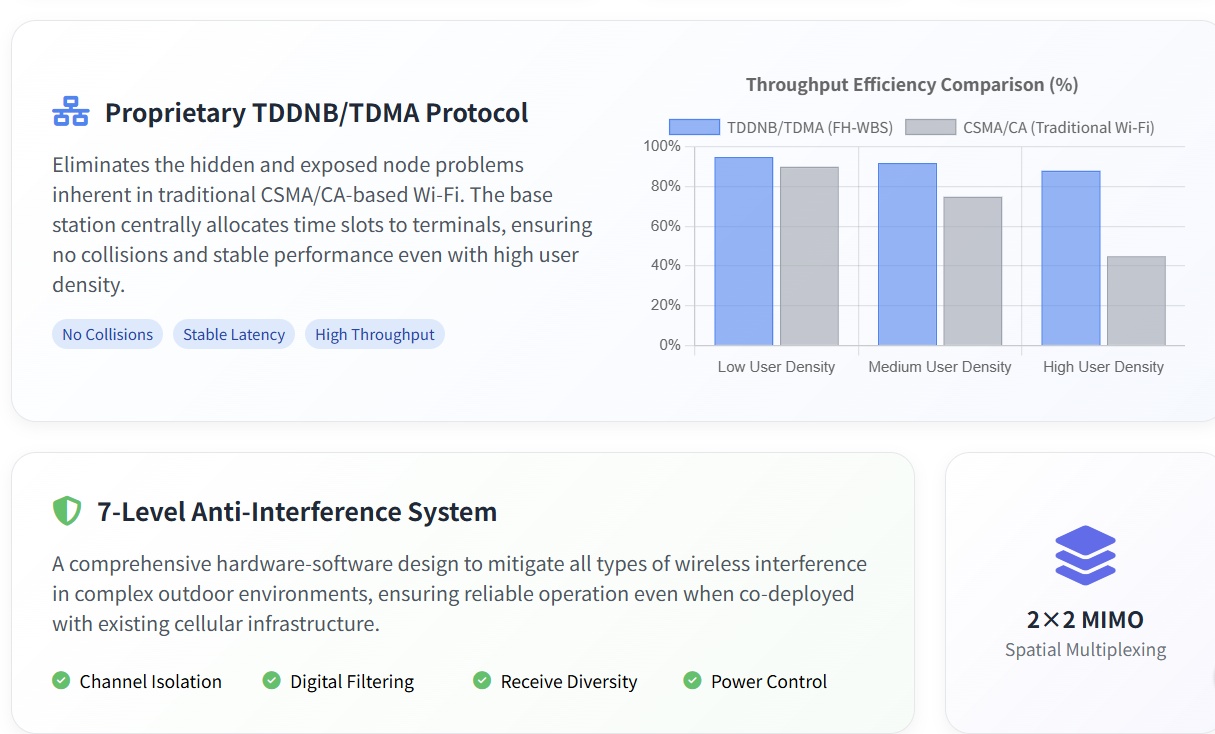
II. Core Product Features (I) Self-developed TDDNB/TDMA Protocol + 7-Tier Anti-Interference, Thoroughly Resolving Traditional Wireless Networking Conflicts 1. Link Layer Innovation: Abandoning the traditional WiFi CSMA/CA competition mechanism, it adopts the TDDNB/TDMA time-division multiple access technology, which completely solves the problems of data collision, network congestion and even system downtime caused by CPE hidden nodes, exposed nodes and intra-system signal competition in large-area networking scenarios. It optimizes the base station's receiving signal-to-noise ratio, with low and stable transmission delay, which can stably carry real-time services such as voice and video, bringing the device to telecom carrier-grade reliability. 2. Channel Isolation Technology: It can co-deploy with existing operator mobile communication cellular (G network, T network) base stations in the same environment and on the same tower without mutual interference. 3. 7 Targeted Anti-Interference Designs: It provides comprehensive protection against 7 interference sources: intra-system interference, co-tower interference, external heterogeneous system interference, inter-base station co-frequency interference, mutual interference with operator 2G/3G base stations, terminal-side co/adjacent frequency interference, and ground environment clutter interference, adapting to complex urban and rural electromagnetic environments. (II) High Bandwidth + Long-Range Coverage, Premium Commercial User Bearing Capacity 1. Bandwidth Specifications: The total physical bandwidth of the whole device is 6×300Mbps; the effective net bandwidth of the 3-radio unit model is ≥260Mbps, and that of the 6-radio unit model is ≥500Mbps; 2. Coverage Distance: Maximum 3KM radius wireless coverage for a single base station; 3. User Bearing: Optimized space-time coding (improved MIMO) algorithm, the standard 6-unit base station can simultaneously carry 260 concurrent 4M bandwidth subscribed users online; 4. Antenna Optimization: Customized professional antenna balances horizontal and vertical coverage, solving the trade-off between long-distance coverage and near-field "under-the-light" coverage blind spots; 5. Service Adaptation: Multi-dimensional QoS scheduling strategy, stably carrying low-latency real-time services such as HD video and large online games. (III) Gigabit Wired Uplink: Dual Ethernet/Fiber Interfaces, Eliminating Wired Bandwidth Bottlenecks The device is equipped with standard Gigabit Ethernet and fiber dual uplink interfaces, breaking the bandwidth limit of traditional 100M network ports. It reserves bandwidth upgrade space, and subsequent capacity expansion does not require replacing base station hardware, enabling smooth upgrade of high-bandwidth networking and protecting early construction investment.
(IV) Multi-Level Wireless Security & Full-Featured Layer 3 Network Capabilities 1. Wireless Security Management • WDS wireless relay links use WPA/WPA2 encryption; wireless terminals support WEP/WPA/WPA2 encryption; • Terminal Layer 2 isolation, SSID broadcast disabling, MAC address white/black list access control; • Access authentication: PPPoE, EAP/RADIUS, 802.1X multiple authentication methods.
2. Switch-Level Network Functions Supports VLAN tag division, STP spanning tree loop prevention, NTP clock synchronization, Layer 2/Layer 3 firewall, single-port independent NAT/NAPT address translation, 802.11e/WMM wireless QoS. (V) Industrial-Grade Lightning & ESD Protection, Adapting to Harsh Outdoor Deployment Environments 1. All ports are equipped with ESD electrostatic protection devices, and inter-module interconnection uses low-voltage differential digital signals, reducing the process threshold for outdoor construction wiring; 2. Base station Gigabit POE lightning protection unit: Upgraded from traditional lightning strike self-destructive protection to post-lightning automatic recovery, reducing equipment failure and operation and maintenance costs; 3. Optional CPE-side enhanced POE lightning protection module: Original equal-potential lightning energy dissipation technology, the CPE can protect against induced lightning without grounding, and the lightning protection effect is further improved after grounding, solving the difficult grounding construction problem of remote terminals.
(VI) Dual-Service VLAN + Patented QoS Algorithm, Isolated Multi-Service Bearing The original second service VLAN technology realizes physical and logical isolation between broadband Internet access services and value-added services such as IPTV and VoIP voice. Equipped with patented QoS scheduling algorithm, perfect multicast/broadcast optimization, and built-in three-level service priority queues, it adapts to operators' multi-service converged networking.
|



 English
 Deutsch
 Français
 Español
 日本語
日本語 简体中文
简体中文 Intelligent Manufacturing&Mechanical Equipment Solutions
 Intelligent Manufacturing & Mechanical Equipment
 Intelligent Signal Control Equipment
 Router
 UAV & Control System
 Antenna & Civil Radar Equipment